Source Water Protection and Private Drinking Water Wells
On March 25, the Upper Thames River Conservation Authority (UTRCA) hosted a Landowner Workshop for local farmers focused on best management practices. The Thames-Sydenham Source Protection Region was also in attendance, providing water sampling bottles for private wells and sharing information on how landowners can help protect their drinking water at the source.
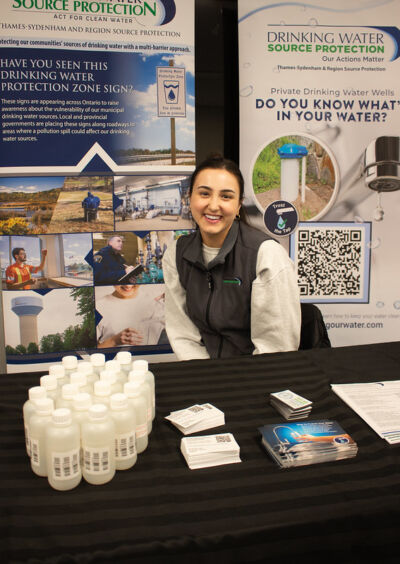
If you rely on a private well for your drinking water, it is your responsibility to ensure that your water remains safe. Protecting the area around your well is one of the most effective ways to maintain clean, safe drinking water for you and your family.
If you have a private well, visit the Public Health Ontario website to learn how to properly collect a water sample, find drop-off locations, and access your test results.
How to Protect Your Private Well
You can help safeguard your drinking water by following these best practices:
- Maintain your septic system
Have your septic system inspected annually and pump your tank every 3–5 years to prevent leaks and contamination.
- Test your water regularly
Test your well water for bacteria at least three times per year, or more often if conditions change.
- Inspect your well annually
Check for cracks, damaged caps, pooling water, or other signs that contaminants could enter your well.
- Reduce chemical use around your property
Use eco-friendly alternatives for fertilizers, pesticides, household cleaners, and road salts whenever possible.
- Store fuels safely
Keep fuel tanks on secure surfaces with drip trays underneath to prevent spills from reaching the ground.
- Conserve water during dry periods
Responsible water use helps maintain your well’s long-term reliability.
- Dispose of hazardous materials properly
Take hazardous waste and unused medications to approved disposal facilities—never dump them on your property.
- Maintain natural buffer zones
Preserve riparian or shoreline buffer areas to help filter runoff and protect nearby water sources.
To learn more about protecting your drinking water, visit: Protecting our Water website.